Corporate Video
Corporate Video Production Timeline: What to Expect
How long a corporate video actually takes, stage by stage, and where the delays come from.
- Author
- By Rosa Park
- Published
- Updated
- Reading time
- 6 minute read
The short answer
A standard corporate video takes two to six weeks from the first call to final delivery. Roughly one week goes to planning and scheduling, one day to filming, and one to three weeks to editing and revisions. Documentary-style films take six to twelve weeks because the research and the pre-interviews come first. The most common delay is not the edit: it is getting the people on camera into a diary.
Video timelines are usually quoted from the filming date, which is the part that goes to plan. The parts that move are the ones on either side of it. This is what a project actually looks like week by week.
Week one: scope and schedule
- A call to agree what the video has to do and where it will be published.
- A written quote listing the deliverables, the number of revision rounds and the delivery formats.
- Questions agreed for interview-led pieces, or a script written and approved for narrated ones.
- Locations confirmed and access arranged, including anything that needs building security or a room booking.
- The filming date locked.
This week is where projects are won or lost on schedule. If three executives need to be in the same building on the same morning, start here rather than after the quote is signed.
Week two: the filming day
A single-location corporate video is usually one day. Allow two to three hours per interview including setup, and allow an hour of supporting footage per location. Most schedules go wrong by assuming a room is available the moment the previous meeting ends. It rarely is.
Anyone who is on camera should read how to prepare for a corporate video interview before the day. It takes five minutes and it saves takes.
Weeks three and four: the edit
- Footage is backed up and organised, and interviews are transcribed so the story can be built from what was actually said.
- A rough cut goes out for the first round of notes. Expect it without colour grading, without final music and with rough audio, because polishing a cut that may change is wasted work.
- Notes come back consolidated from one person, and the second cut addresses them.
- Picture lock, then colour grading, sound mix, titles and captions.
- Delivery: the master, the versions you need, a subtitle file and a poster frame.
Two rounds of revisions are included in a standard corporate video quote. A round means one consolidated set of notes, not a series of separate requests arriving over a week.
Longer formats
- Event highlight films. A short social cut can be out within 48 hours when it is booked in advance. The full film usually follows within one to two weeks. See event videography.
- Mini documentaries. Six to twelve weeks. Research and pre-interviews happen before any filming, and that stage cannot be compressed without the film showing it. See mini documentary production.
- Series work. Filming several pieces in one day is much cheaper than filming them separately, but it lengthens the edit. Plan for the whole series to arrive together.
The three things that make projects run late
- Diaries. Getting the right people in the same place is almost always the longest single step. Book them before anything else.
- Unconsolidated notes. Five people emailing notes separately turns one revision round into five. Nominate one reviewer.
- Late scope. Adding a vertical cutdown after picture lock means a new pass on the whole piece. Decide the deliverable list before filming, not after.
If you have a fixed launch date
Say so in the first email. A date that cannot move changes how the project is scheduled: filming gets booked earlier, review windows get set in advance rather than assumed, and the deliverable list gets frozen sooner. It is easy to work to a deadline that was known from the start and difficult to rescue one that appears in week three.
To get a written schedule alongside a quote, contact us with your launch date and the people who need to be on camera.
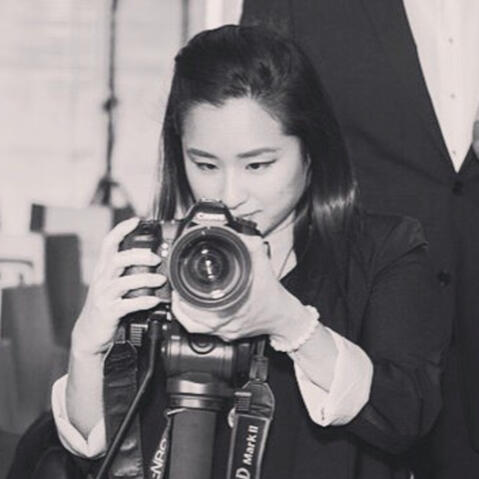
Written by
Rosa Park
Rosa films and photographs everything on this site herself. She works on corporate and documentary video across Toronto and the GTA, and on real estate and lifestyle photography around Bancroft. More about Rosa.
Services this guide relates to
Corporate Video
Video made for an organization's own communication: brand films, company profiles, recruitment, training, internal messaging and product explainers.
Video Production
Video production covering pre-production, filming and editing for organizations across Toronto and the Greater Toronto Area.
Mini Documentaries
A short documentary film built from research and real interviews rather than a script read to camera, usually five to fifteen minutes long.
Related articles
- Interview Production
How to Prepare for a Corporate Video Interview
Practical preparation for anyone being filmed for a company video: what to think about, what to wear, and what to stop doing.
7 minute read
- Video ProductionOutline
How Much Does Video Production Cost in Toronto?
An outline of the cost article. The structure and the cost factors are settled. The published rate bands are not, because they have to come from Rosa's real quoting history rather than a guess.
6 minute read
- Event Videography
Event Videography Checklist for Toronto Organizations
The checklist an organizer can work through with a videographer four weeks out, one week out and on the day.
7 minute read
Contact us about your project
If this guide left a question unanswered, ask it. A short reply is usually faster than reading three more articles.