Toronto and the GTA
Mini documentary production in Toronto
A mini documentary is a short film built from research and real interviews rather than a script read to camera. Most run between five and fifteen minutes, and the length follows the story rather than a target.
This is the most involved work Rosa Park Visuals produces. Six to twelve weeks is realistic, because the research and pre-interviews happen before anything is filmed.
Recent work
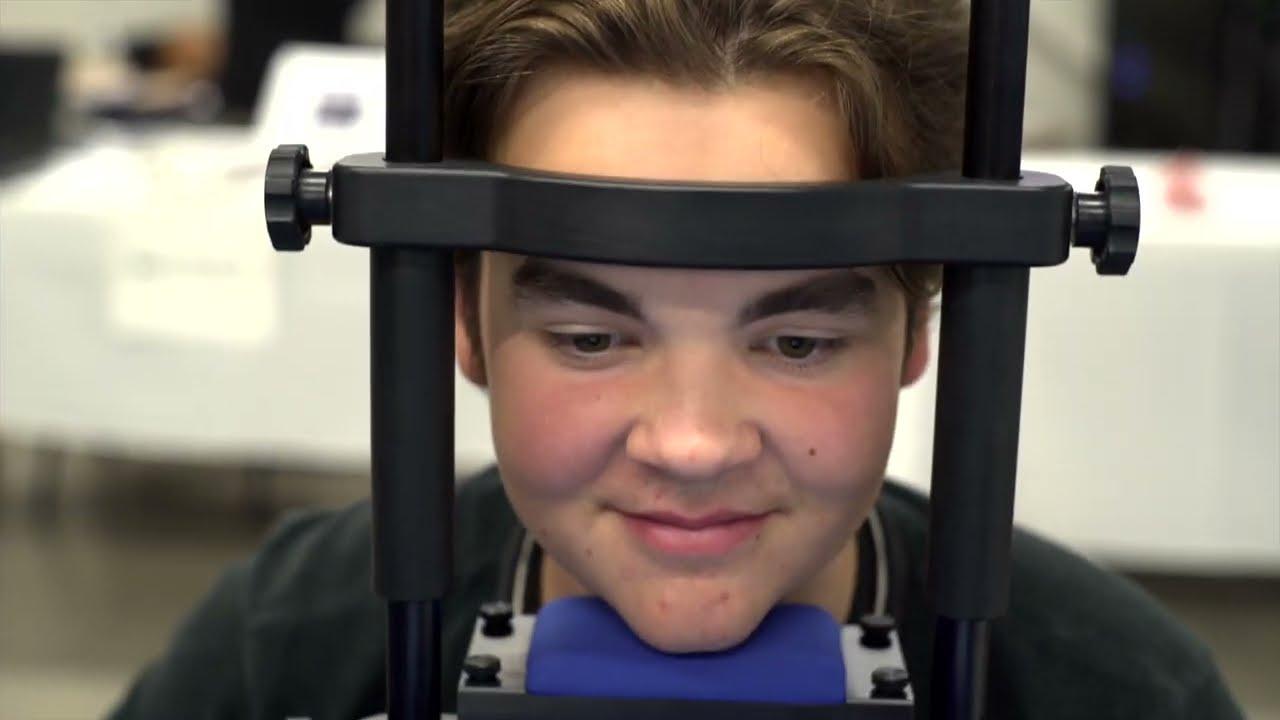
NERVE program film for the Ontario Brain Institute
A documentary-style programme film for a provincial neuroscience research organization.
What gets made
Documentary shorts, by subject
The strongest short documentaries are almost always about one person doing one thing. An organization is an abstraction, and abstractions are hard to film.
Founder stories
Why a business exists, told through the decisions that made it rather than a chronology of milestones.
Organization profiles
What an organization actually does, filmed at the bench, the workshop or the site rather than in a meeting room.
Artist and community stories
Practice, process and the people around it. Work that tends to justify itself once an audience sees it happening.
Cause-based documentaries
Films for causes and campaigns, built to persuade by evidence rather than by assertion.
Customer stories
One customer's experience followed properly, which is more convincing than a page of quotations.
Documentary-style branded content
Branded work that behaves like documentary. If the last line can be written before filming, commission a corporate video instead: cheaper and better.
What is involved
Research, filming and finishing
Documentary costs more than a corporate video because of what happens either side of the filming day, not because of the filming day itself.
- Pre-interviews and research
- Everyone is spoken to on the phone first, without a camera. This is where the actual story surfaces, and it is almost never the one in the brief. Skipping it is the shortcut that always shows on screen.
- Narrative development
- A narrative outline rather than a script: a sequence of what the film has to establish, in order, with the gaps marked. The outline is what the shot list is built from.
- Multi-location filming
- Documentary needs access to the room where the work actually happens, not the boardroom. More filming days than a scripted piece, because observational footage cannot be scheduled to the minute.
- Licensed music
- Music licensed for the use you need, with the licence confirmed in writing. Used sparingly: music that tells an audience how to feel is the fastest way to lose them.
- Colour grading
- A grade built for the film rather than applied to it, so material filmed across several locations and several days reads as one piece.
- Sound design
- Location sound, room tone, ambience and a proper mix. Audiences forgive imperfect images and do not forgive bad sound, so this is where a modest budget is best spent.
- Short social versions
- Cut from the same material rather than trimmed out of the full film, so the short version has its own shape instead of being a fragment.
Process
How a documentary project runs
01
Research
Pre-interviews by phone, background reading and a decision about whose experience carries the film. Two to three weeks.
02
Outline and plan
A narrative outline, a shot list built from it, access agreed in writing for every location including the awkward ones.
03
Filming
Interviews and observational coverage across the locations the story needs, usually spread over more than one day.
04
Edit and finish
Interviews cut on meaning first, then a rough cut, then picture lock, colour grading, sound design and the short social version.
What you receive
What a documentary delivery includes
- The finished film, usually five to fifteen minutes
- A short social version cut from the same material
- A subtitle file and burned-in captions where needed
- Full colour grade and a designed sound mix
- Licensed music with the licence confirmed in writing
- Stills pulled from the footage for use alongside the film
- A poster frame for embedding on a website
- Archived footage and transcripts for future use
Cost
What determines the cost
Documentary is quoted per project. The research stage is a real cost and it is the one most often left out of a cheaper quote, so it is worth checking whether a comparison includes it.
- How much research and how many pre-interviews the story needs before filming can be planned.
- How many locations and how many filming days, including days that may yield nothing.
- How available the people in the film are, which drives the schedule more than anything else.
- How much finishing the piece needs: sound design, original or licensed music, colour, graphics.
- Whether short versions and stills are part of the deliverable list from the start.
Questions
Frequently asked questions
How long is a mini documentary?
Most run between five and fifteen minutes. The length follows the story rather than a target. A short social version is usually cut alongside the full film.
How is it different from a brand video?
A brand video says what an organization wants to say. A documentary follows what is actually there and lets the audience draw the conclusion. It takes longer, it needs research, and it is more persuasive because of it.
What does the process involve?
Research and pre-interviews first, then a narrative outline, then filming across the locations the story needs, then an edit that goes through a rough cut before picture lock, colour grading and sound design.
How long does it take?
Six to twelve weeks is realistic for a mini documentary, depending on how many locations are involved and how available the people in it are. Rushing the research is the one shortcut that always shows on screen.
Related services
Video Production
Video production covering pre-production, filming and editing for organizations across Toronto and the Greater Toronto Area.
Interview Video
A filmed conversation, lit and recorded properly, cut into a piece that lets one person explain something in their own words.
Corporate Video
Video made for an organization's own communication: brand films, company profiles, recruitment, training, internal messaging and product explainers.
Guides that go with this
- Video ProductionOutline
How Much Does Video Production Cost in Toronto?
An outline of the cost article. The structure and the cost factors are settled. The published rate bands are not, because they have to come from Rosa's real quoting history rather than a guess.
6 minute read
- Corporate Video
Corporate Video Production Timeline: What to Expect
How long a corporate video actually takes, stage by stage, and where the delays come from.
6 minute read
- Video Production
What Makes a Strong Mini Documentary?
The five things that decide whether a documentary short works, and the two mistakes that sink most of them.
8 minute read
Contact us about a documentary short
Describe the person at the centre of the story. That is usually enough to tell whether there is a film there, and it is a better starting point than a brief.